
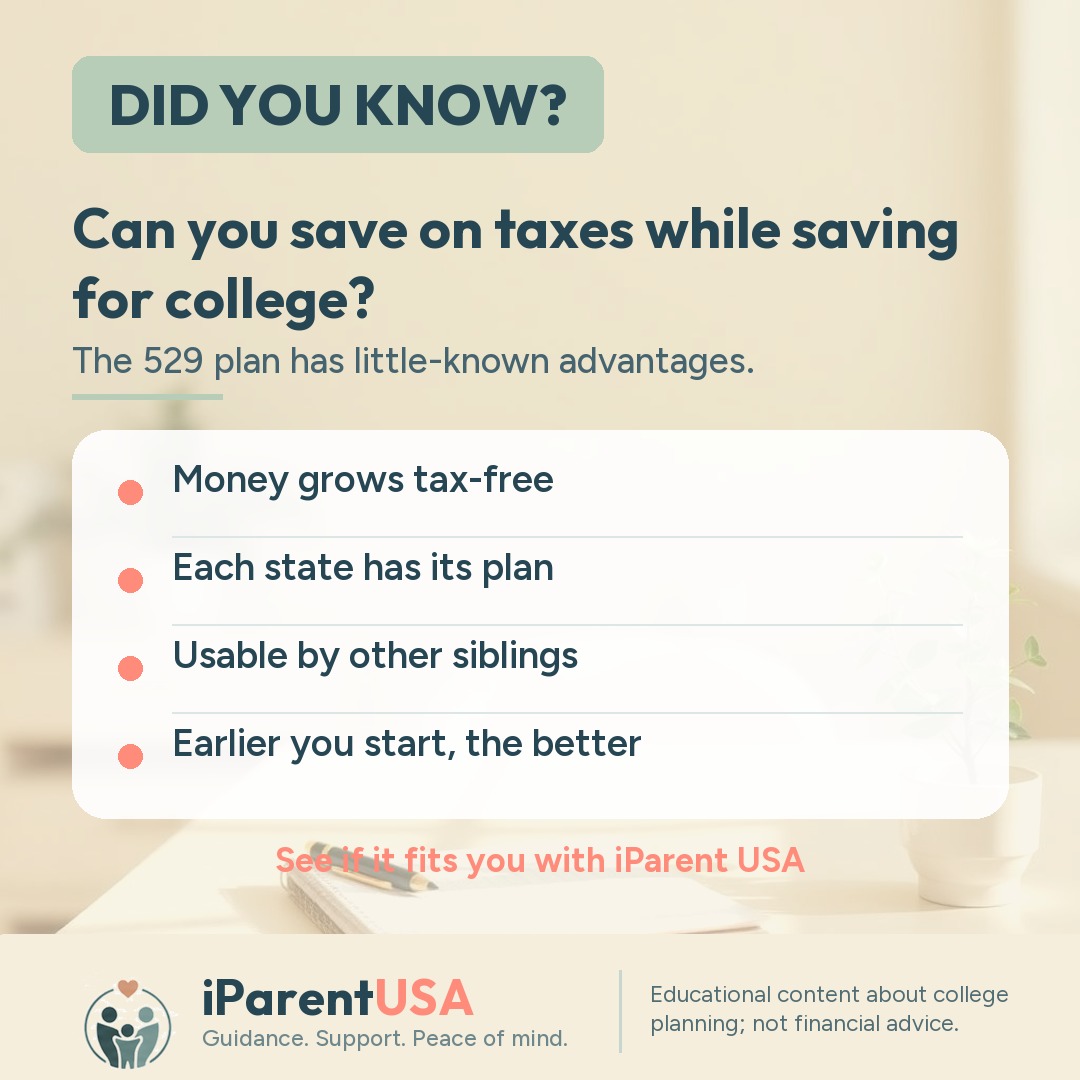
For families planning to keep their children in the U.S. through college, the 529 plan is one of the country's most well-known savings tools. It isn't the only option, but it's worth understanding how it works before deciding where to save for higher education.
What a 529 plan is
A 529 plan is a tax-advantaged investment account created specifically to save for education expenses, including college and, in some cases, K-12 private school. Each state administers its own plans, with rules and state tax benefits that can vary.
Investment growth within the plan is exempt from federal tax, and withdrawals are also tax-free when used for qualified education expenses like tuition, housing, and course materials.
Considerations for international families
Families with temporary immigration status should think through how a future move or a change in status could affect using the plan, since it was designed with long-term U.S. residency in mind. It's worth consulting a financial planner familiar with international situations before opening an account.
It's also important to understand the penalties: withdrawals used for non-education purposes generally owe income tax on the earnings plus an additional penalty, so the plan works best when there's reasonable confidence the funds will go toward education.
Alternatives and complements to a 529
Some families combine a 529 with traditional savings accounts or their own investments, especially when it's not yet certain the child will study long-term in the U.S.
Regardless of the tool chosen, starting to save early, even in small and regular amounts, tends to matter more than waiting to start with a larger sum.
Before opening a 529 plan
- Compare 529 plans available in your state and in other states
- Confirm which education expenses count as qualified
- Talk to a financial advisor about your immigration status and long-term plans
- Understand the penalties for non-education withdrawals
- Consider regular contributions, even if small
Want to talk about your family's situation?
Book a free 15-minute consultation or get the free guide to your first 30 days in the United States.
Full guide on this topic: College preparation
Read next
- Can middle-income families apply for college aid too?Learn why FAFSA isn't only for low-income households and how middle-income families in the US may still qualify for some form of college financial aid.
- SAT or ACT: which one fits your child?Learn the key differences between the SAT and ACT, how each exam is structured, and what to consider when helping your child choose the right test.
- Should college prep start in 8th grade?See why beginning college planning as early as 8th grade can widen your child's options later, and how to build that timeline gradually.
- Can your employer double your retirement savings?The 401(k) is one of the main workplace benefits in the U.S. and can include employer matching. Understand how it works before deciding to participate.